







Search Results for: tax incentive policies

Skip a Cup of Coffee a Day to Save for Retirement? Expert Advice Sparks Heated Debate: How to Balance Coffee Spending and Retirement Planning
As China's population aging process accelerates, the elderly care issues of the post-80s and post-90s generations are attracting increasing attention. Some experts suggest that young people should plan for retirement as early as possible—for example, by drinking one less 30-yuan cup of coffee each day, they could save nearly a thousand yuan a month, which happens to match the tax-advantaged contribution limit of the individual pension scheme. However, this suggestion has sparked widespread discussion on social media. For many young people, a 30-yuan cup of coffee every day is not a common expense, and the overall pressure of living costs is far from something that can be solved by skipping one cup of coffee. This article will explore the reality and controversy behind this topic from the perspectives of retirement data, individual pension policy, and the current state of coffee consumption. [more…]

Exploring Costa Rican Coffee: A Full Analysis of Flavor Characteristics, Eight Major Regions, and Variety Classification
Costa Rica, a Central American country, nurtures consistently high-quality Arabica coffee thanks to its high altitude, fertile volcanic soil, and microclimates. Since the introduction of coffee in 1729, the local government has promoted the refined development of the coffee industry through policies such as tax exemptions, land incentives, and legislation mandating the cultivation of only Arabica. This article will guide you through Costa Rica's coffee cultivation history, the distribution of its eight major producing regions and their flavor differences, and provide an in-depth analysis of the characteristics of major varieties such as Caturra, Catuai, Geisha, and Bourbon. Finally, it includes brewing suggestions from Front Street Coffee to help you gain a comprehensive understanding of this Central American coffee powerhouse. [more…]

A Comprehensive Analysis of Costa Rican Coffee: From Introduction History to Eight Major Producing Regions and the Variety Classification System
Although Costa Rica is often jokingly referred to as a homophone of "Godzilla," it is a pivotal specialty coffee-producing country in Central America. Since the first coffee seedling was introduced from Cuba in 1729, this country has been inextricably linked with coffee. High altitudes, microclimates, and fertile volcanic soil provide exceptional growing conditions for Arabica. From government tax incentives encouraging cultivation, to legislation limiting production to Arabica only, to institutions like ICAFE and CATIE promoting quality improvement, Costa Rica has pursued a path of quality supremacy in coffee. This article will guide you through its introduction history, the terroir differences of its eight major producing regions, its main cultivated varieties, and its altitude-based grading system, along with Front Street Coffee's brewing recommendations. [more…]
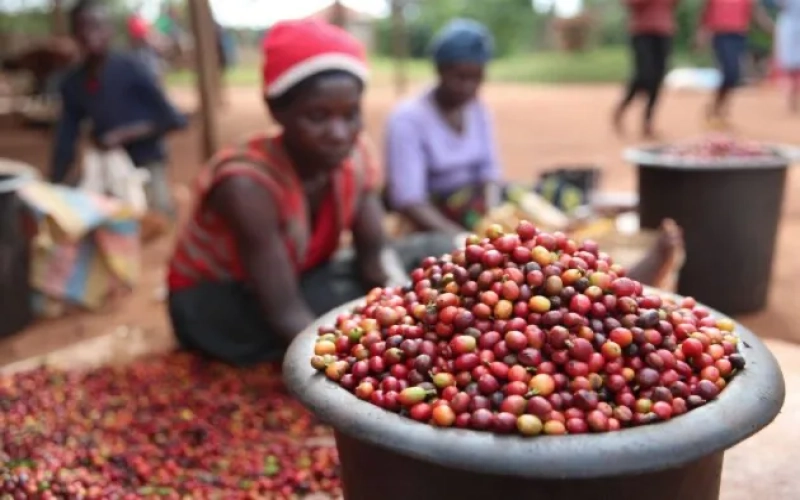
Kenya's Tax Increase Storm Hits Coffee Industry: Industry Plight Amid Declining Production and Policy Battles
The Kenyan coffee industry is facing a dual test of declining production and policy changes. A USDA report shows that due to heavy rain and reduced planting area, Kenya's coffee production in 2024/25 is expected to drop to 750,000 bags, a year-on-year decrease of 6.3%. Although the government plans to increase production by 55% to 102,000 metric tons by 2027 and has introduced support measures such as debt write-offs and a cherry fund, recent tax-increase protests and clashes triggered by a finance bill have cast a shadow over the industry's prospects. Coffee beans are traded in US dollars, and the 16% value-added tax will push up farmers' operating costs; new coffee regulations have led to processing plants halting operations, cherry rotting, and exports being hindered. Front Street Coffee notes that although the president has withdrawn the tax-increase plan, the industry still expresses concern about policy uncertainty. [more…]
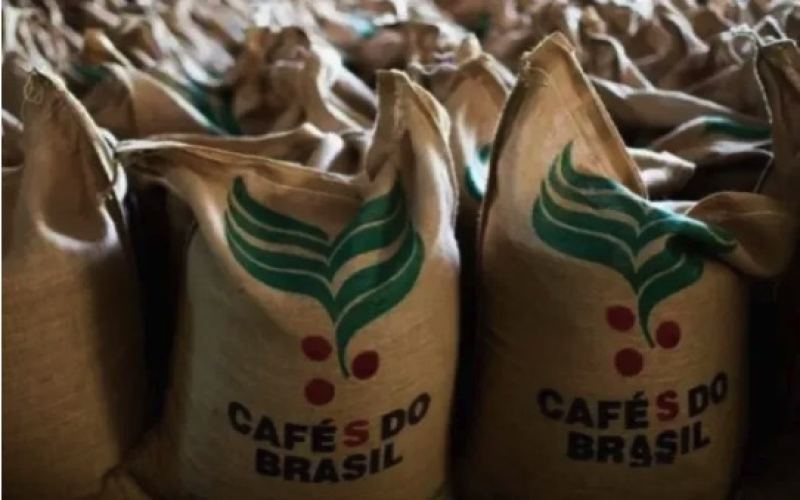
New tax policies in Brazil! Prices of agricultural products such as coffee will continue to rise.
Recently, according to local media reports in Brazil, earlier this week, the new administrative order submitted by the Brazilian government to the congress contains a new measure related to tightening tax exemptions. According to the Brazilian Minist [more…]
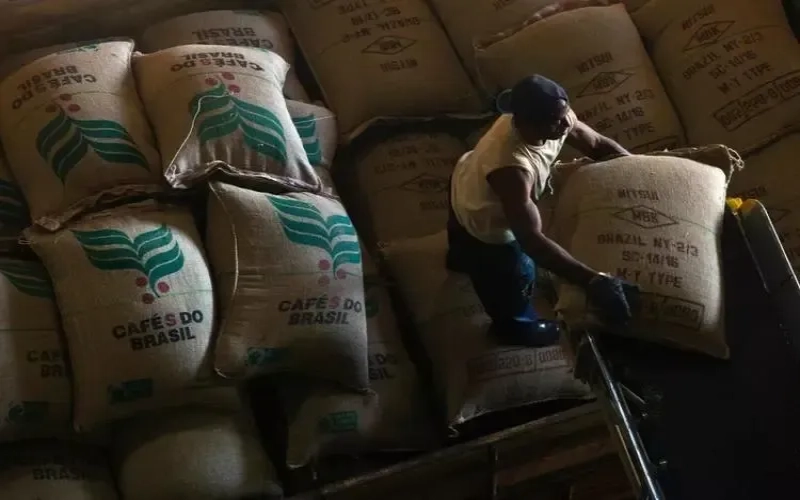
Brazilian Coffee Exports Hit New High Again, Tax Policy Adjustments May Become a Future Concern
The latest report from the Brazilian Coffee Exporters Council shows that Brazil's coffee exports reached 4.397 million bags in May, setting a new record for the month, with a year-on-year increase of nearly 80%, and foreign exchange earnings also hitting a historic high. Cumulative exports in the first 11 months of the 2023/24 harvest year have approached a historic peak, and this year is expected to break the cycle record. The surge in robusta coffee exports has become a highlight, but the La Niña phenomenon in the second half of the year may bring the threat of drought, and coupled with the Brazilian government's new rules tightening tax credits, this may put pressure on the cash flow and global competitiveness of exporting companies. [more…]
Brazil Adjusts PIS-Cofins Tax Credit Rules, Coffee and Other Agricultural Exports Under Pressure, Global Prices May Rise Further
The Brazilian government recently submitted an executive order to Congress aimed at tightening the rules for the use of federal PIS-Cofins tax credits, with the goal of closing tax loopholes across multiple industries and supporting the objective of eliminating the fiscal deficit this year. However, this move has met strong opposition from the agricultural sector, with exporters of coffee, meat, fruit, grains and other products expected to see revenues fall by 26.3 billion reais. The Brazilian Coffee Exporters Council pointed out that the new rules will increase corporate cash flow pressure and operating costs, potentially triggering food inflation and unemployment, and weakening the international competitiveness of Brazilian coffee. Meanwhile, severe weather in Vietnam has led to reduced production and already pushed up coffee futures prices, and a slowdown in Brazilian exports could further fuel the rally. Notably, Luckin Coffee has signed a memorandum of cooperation with the Brazilian side, planning to purchase about 120,000 tons of coffee beans over the next two years, which brings good news for Brazilian exports. Front Street Coffee reminds enthusiasts to pay attention to the impact of policy changes on the coffee market. [more…]
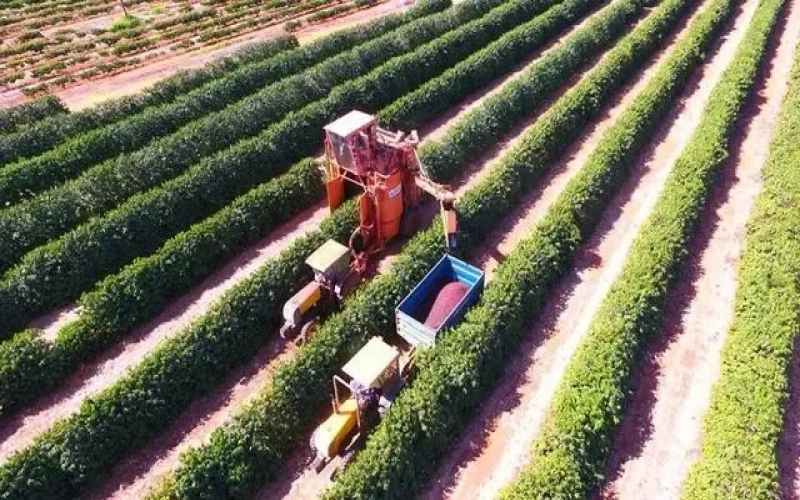
Brazil's coffee harvest accelerates but sales lag; market expected to recover after Congress rejects new tax rules
Brazil's new coffee crop harvest is progressing faster than in previous years, and the dry weather is both beneficial for processing and a cause for concern. However, sales progress is noticeably lagging, ports remain congested, and the government's earlier proposed changes to PIS/Cofins tax rules have further weighed on exports and farmers' willingness to sell. At the same time, the sharp appreciation of the US dollar against the real has brought inflationary pressure. The good news is that Brazil's Congress recently rejected the tax measure, allowing coffee and other agricultural products to continue enjoying tax benefits, and the slowdown in sales is expected to improve. This article will review the latest developments in harvesting, sales, ports, and policy, and include relevant recommendations from Front Street Coffee. [more…]

Costa Drive-Thru Refusing Cyclists Sparks Controversy: Reasonable Policy or Discrimination?
In recent years, the grab-and-go consumption model has become increasingly popular, and many food and beverage brands have opened "drive-thru" lanes for this purpose. However, a cycling enthusiast was refused service at a Costa store in Scotland, on the grounds of "not being in a motor vehicle." This is not the first time Costa has sparked controversy over a similar incident. An almost identical situation occurred in 2020, when Costa explained that bicycles are not taxed or insured in the same way as motor vehicles, and was immediately rebutted by the British Cycling Federation. Behind the incident lies the delicate balance between convenience and fairness in drive-thru service. Front Street Coffee takes you through this hotly debated incident. [more…]

Ethiopia's Coffee Industry Credit Default Dilemma and the Controversy Over Vertical Integration Policy
Recently, Ethiopia's coffee industry has been thrown into chaos by a wave of credit defaults. Coffee farmers who supplied coffee beans to exporters and suppliers on credit have been waiting in vain for payment, with the amount owed reaching into the billions of birr. Some farmers have even committed suicide out of despair, and radicals have attempted to rob exporters of their property. The government blames the problem on the "vertical integration" plan introduced five years ago and fully implemented two years ago, which replaced the original ECX trading model and was intended to allow coffee farmers, suppliers, and cooperatives to export coffee directly and benefit from international price incentives. However, at a meeting between the government and growers on March 8, 2024, both the Minister of Agriculture and the Director General of the Coffee and Tea Authority held that the benefits of vertical integration outweigh the drawbacks, that defaulters are only a minority, and that violators have already been blacklisted. But coffee farmers and producers say that banks' suspension of loans and the National Bank's 14% credit growth cap have led to the market being controlled by a handful of wealthy exporters, leaving them with no choice but to sell on credit. Last year, 90% of coffee was exported through the vertical integration plan, and farmers are calling on the government to regulate the market. Front Street Coffee reminds that this incident highlights the importance of fair trade and financial support in the coffee industry chain. [more…]

Brazilian Coffee Bean Varieties Analysis, Famous Estates Overview, and Front Street Brand Single-Origin Recommendations Guide
As the world's number one producer of coffee, Brazil is known for offering excellent value, capable of serving as the base for espresso blends or standing alone as a pour-over with balanced flavors. This article will systematically review the history of Brazilian coffee variety improvement, the distribution of major producing regions, differences in processing methods, and the export grading system. It will also introduce two representative products—Front Street Queen Estate and Front Street Dark Cocoa Blend—while providing in-depth analysis of the flavor characteristics of classic origins such as Santos and Cerrado, helping coffee enthusiasts gain a comprehensive understanding of this South American coffee giant. [more…]

Ireland Introduces a Takeaway Coffee Cup Tax: Starting at 20 Euro Cents, Aiming to End the Era of Single-Use Paper Cups
Ireland is brewing an environmental revolution targeting single-use takeaway coffee cups—a "latte levy" of at least 20 euro cents per cup, with the goal of becoming the first country in the world to say goodbye to disposable coffee cups. The president has signed the relevant bill, which is expected to take effect before the end of the year. Drawing on the success of the plastic bag levy introduced in 2002, the Irish government hopes to use economic measures to encourage consumers to bring their own cups. However, the reality of 200 million coffee cups discarded each year and opposition from nearly two-thirds of the public make this policy highly controversial. This article will sort out the details of the bill, the logic behind the levy, and public feedback, and will also include channels for coffee industry news. [more…]

Starbucks same-store sales rebound but net profit plunges, CEO's annual salary shrinks by 450 million, performance bonus falls through
Starbucks has released its first quarterly report for fiscal year 2026, showing a strong rebound in same-store sales, with global growth of 4%, and growth of 4% and 7% in the U.S. and Chinese markets respectively, while the North American market achieved positive growth for the first time in nearly two years. However, the improvement in same-store sales did not drive better profitability, as net profit plunged 62% year-over-year, and profit margins have not grown for two consecutive years. Meanwhile, Starbucks' stock price fell 7.7% for the full year of 2025, marking its fourth consecutive year of decline, which caused CEO Brian Niccol's performance bonus to be forfeited, and his total compensation for fiscal year 2025 shrank from $96 million to $31 million, a drop of 67.7%. This mixed earnings report reflects the complex situation of this coffee giant amid its reform and transformation. [more…]
A Complete Analysis of Salvadoran Coffee Bean Flavor Characteristics and Producing Regions: The Beauty of Balance from Pacas to Pacamara
Although El Salvador is a small country in Central America, it is world-famous for its exceptionally balanced coffee flavors. This article provides a comprehensive overview of the origin characteristics, taste descriptions, and flavor profiles of Salvadoran coffee, reviews the impact of war and tax policies on production, and introduces representative varieties such as Pipil and Pacamara. At the same time, Front Street Coffee will also recommend product information worth noting for enthusiasts, taking you to gain a deeper understanding of the coffee legend of this densely populated small country. [more…]
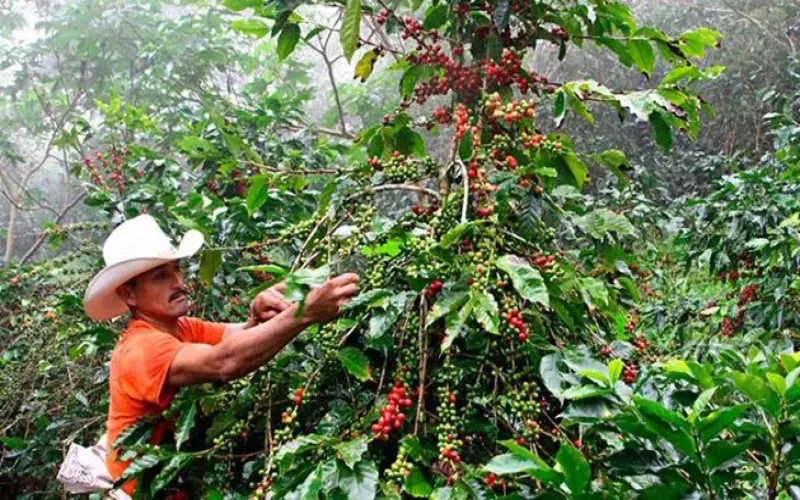
Honduras' coffee industry faces multiple challenges: the spread of leaf rust combined with drought may cause production to plummet by 24% in the 2023/24 season.
The latest report from the United States Department of Agriculture shows that Honduras, Central America's largest producer of washed Arabica coffee, is facing a severe test. In the 2023/24 fiscal year, the country's coffee production is expected to be only 5.5 million bags (60 kg per bag), a sharp drop of 24% from the previous year, while exports will also fall from 6.2 million bags to 5 million bags, a decline of 19%. Extreme heat and drought, a large-scale outbreak of coffee leaf rust, and a persistent labor shortage are the core factors behind the decline in production. At the same time, the Honduran government has introduced tax-exemption policies and is accelerating free trade negotiations with markets such as China in an attempt to ease the plight of coffee farmers. This article will combine the USDA report with data from the Honduran Coffee Institute to provide a comprehensive analysis of the ins and outs of this industry crisis. [more…]

Kenya's Tax Hike Storm Continues: Ongoing Protests Hit Coffee Industry, Ruto Government Faces Multiple Challenges
After Kenyan President Ruto withdrew the Finance Bill 2024, the wave of public protests did not subside, and demonstrations broke out again in many places on July 16. This social unrest triggered by tax increases has already had a substantial impact on Kenya's coffee industry: shrinking cultivation area, shutdowns at processing plants, and export delays, leaving the industry's prospects full of uncertainty. This article reviews the sequence of events and examines the chain effects of political instability on coffee production and trade. [more…]

Kenya's Supreme Court Rules 2023 Finance Act Constitutional, Coffee Industry Faces Dual Challenges of Taxation and EUDR
Kenya's Supreme Court overturned the Court of Appeal's ruling on August 20, finding the 2023 Finance Act constitutional—a move that had previously sparked large-scale protests in the capital Nairobi and other regions. The act doubles the fuel value-added tax, introduces a housing levy, and raises the top personal income tax rate. The opposition and civil society groups expressed deep disappointment, fearing a further rise in the cost of living. For the coffee industry, the tax increases have pushed up production and transportation costs, squeezing profit margins; more seriously, the EU Deforestation Regulation (EUDR), set to take effect in January 2025, could deal a severe blow to Kenya's coffee exports. Currently, only about 30% to 40% of coffee is certified, while smallholder farmers are generally poorly informed about compliance requirements. Front Street Coffee will continue to monitor developments in the producing regions. [more…]

Visiting Manner's Most Tranquil Store: The Warm Practice of Silent Baristas and Disability Employment
In the coffee consumption experience, interaction with baristas is often a bonus. But when you encounter a hearing-impaired barista, communication shifts from speech to pen and paper. Recently, a customer at a Manner store noticed a sign on the counter reading "I am a silent barista," leading to a quiet yet warm consumption experience. Some were moved by the focus and effort of silent baristas, while others pointed out the practical efficiency challenges in collaboration from an employee's perspective. In recent years, with policy encouragement and corporate participation, silent cafes have emerged in multiple cities, providing not only jobs but also livelihood skills. Front Street Coffee has observed that to bridge the communication gap, some stores are trying solutions such as sign language menus and voice-to-text devices. This article will present multiple perspectives from consumers, employees, and brands to explore the real situation and future possibilities of silent baristas in chain stores. [more…]
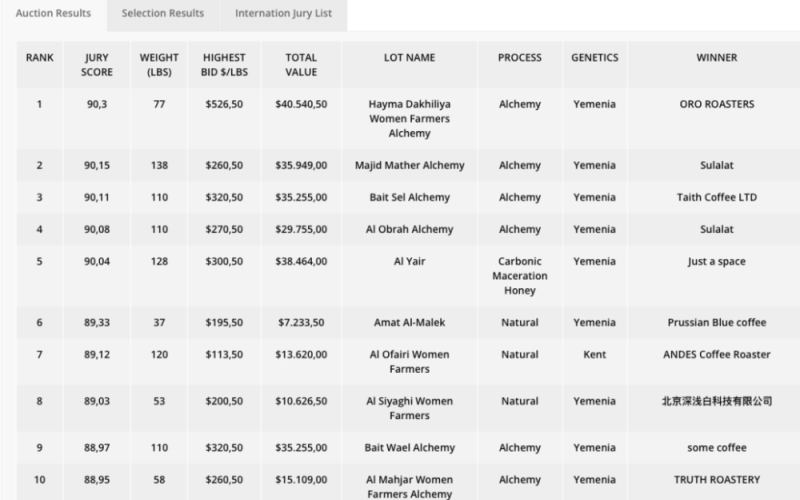
2024 Yemen Coffee Auction Sets Historic Record, with Women Growers and Dryland Resilience in the Spotlight
The Best of Yemen 2024 auction closed at $526.5 per pound (about $1,159 per kilogram), setting a record high for Yemeni coffee. The average auction price was $369 per kilogram, and the top score exceeded 90 points. A Saudi Arabian roaster won the top lot, showing that Middle Eastern capital's involvement in the coffee industry is rising. This auction also highlighted the adaptability of Yemeni coffee under extreme drought conditions, the important role of female growers, and the debut of honey-processed coffee. [more…]
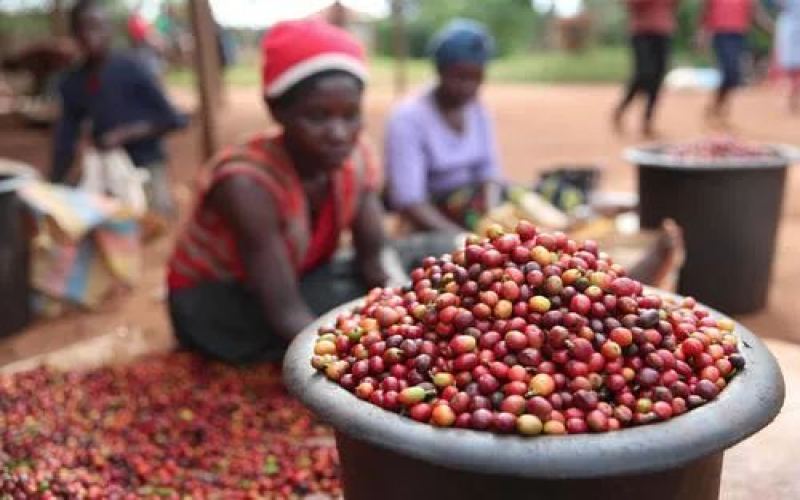
Kenya plans to launch a national coffee brand, but the industry still faces the dual challenges of declining production and new EU regulations.
The Kenya Export Promotion and Branding Agency, in collaboration with the Agriculture Sector Development Agency, is jointly planning to create a unified national coffee brand, aiming to consolidate global marketing resources and enhance the influence of Kenyan coffee in the international market. However, in recent years, the country's coffee production has continued to decline, and export performance has been volatile since 2016. Shrinking cultivation areas, rising production costs, price fluctuations, and unpredictable weather conditions are all constraining industry development. Although the government has implemented reforms to reduce intermediary links through the direct settlement system of the Nairobi Coffee Exchange, tightened processing licenses have led to the closure of large processing plants, with raw materials piling up and even rotting at small factories. Meanwhile, although the EU Deforestation Regulation has been delayed by one year, it still puts considerable pressure on traders and African producing countries. New variables such as the Red Sea crisis, port congestion, and rising domestic consumption have also led Kenyan coffee industry players to place greater expectations on policy. [more…]